.
Classical Feng Shui Texts & Professional Publications:
BOOK SERIES ON CLASSICAL FENG SHUI: Translations of Ancient Chinese Texts
(The complete original Chinese text is included in Volumes 1 and 2.)
(The complete original Chinese text is included in Volumes 1 and 2.)
The series dedicated to Classical Feng Shui brings together translations, commentaries and studies drawn from ancient Chinese texts, allowing readers to access knowledge transmitted through generations of masters and scholars of the traditional Chinese heritage.
.
.
.
.
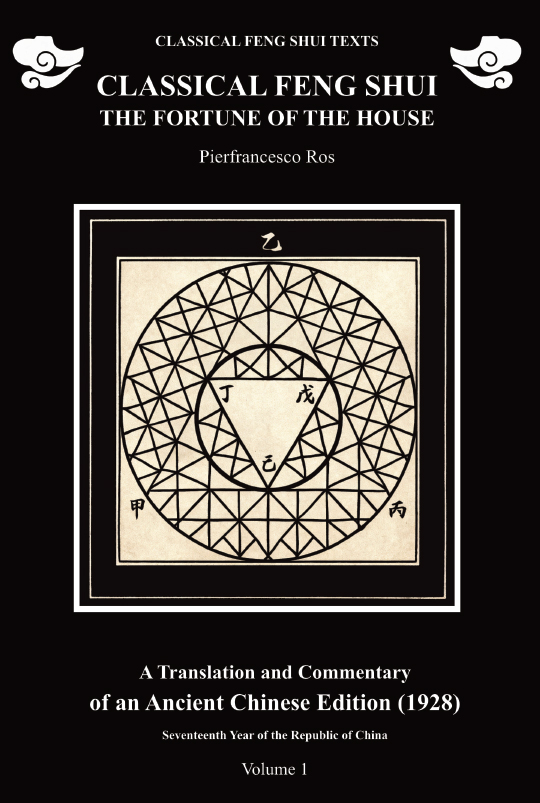
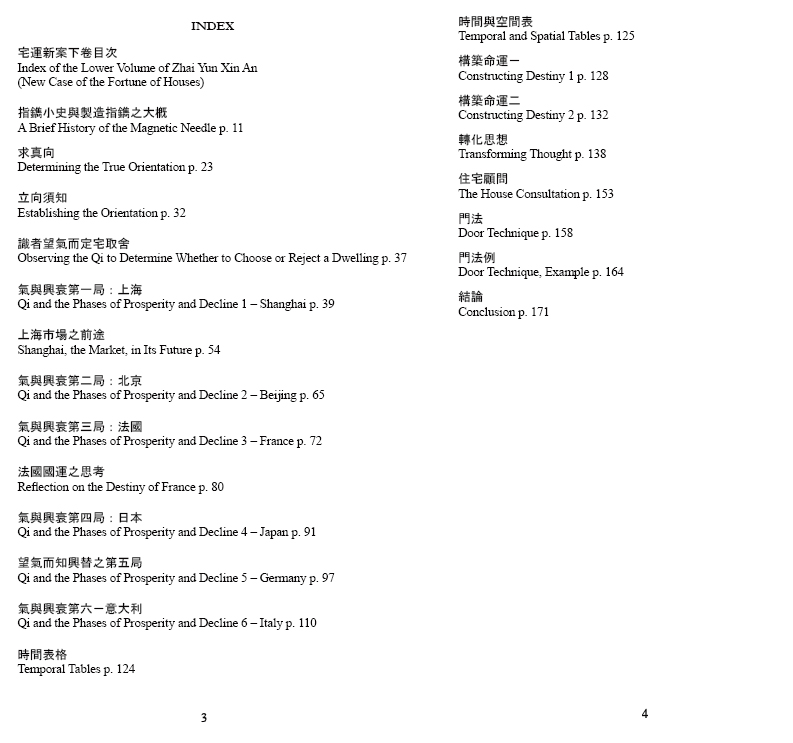
VOLUME 1:
CLASSICAL FENG SHUI THE FORTUNE OF THE HOUSE:
A Translation and Commentary of a Chinese Text from 1928
Available on Amazon using ASIN: B0GMQ1KF4X
.
.
.
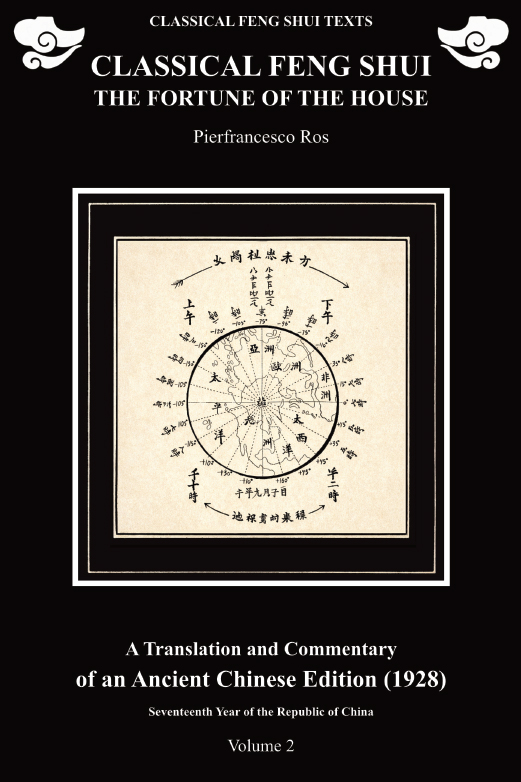
VOLUME 2:
CLASSICAL FENG SHUI THE FORTUNE OF THE HOUSE:
A Translation and Commentary of a Chinese Text from 1928
Available on Amazon using ASIN: B0GXV6GFYG
.
.
.
BOOK SERIES ON FENG SHUI ARCHITECTURE
The Feng Shui Architecture series presents contemporary applications, case studies, research and experimental approaches that integrate the principles of Classical Feng Shui with architecture, urban planning, landscape design and modern holistic disciplines.
.
.
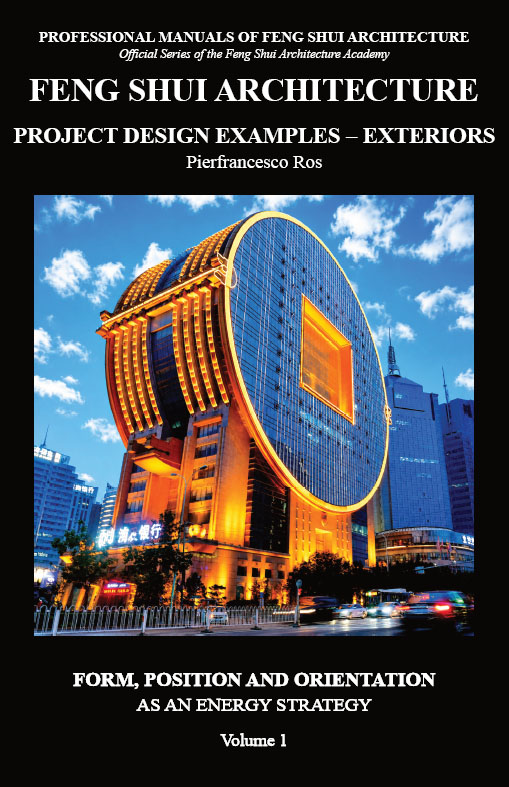
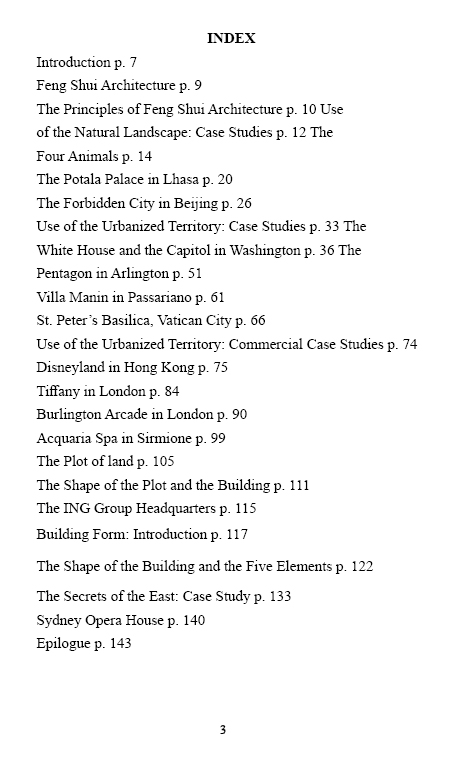
VOLUME 1
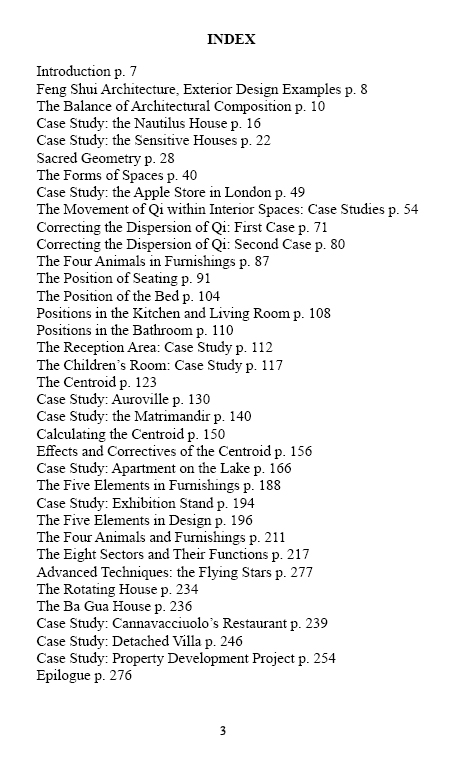
FENG SHUI ARCHITECTURE PROJECT DESIGN EXAMPLES EXTERIORS:
Form, position and orientation as an energy strategy.
Available on Amazon using ASIN: B0H4Q88JQG
.
.
.
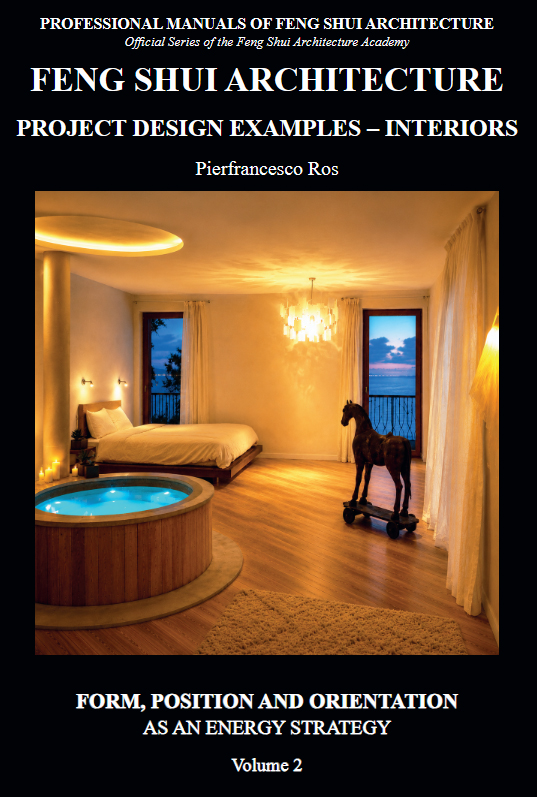
VOLUME 2
FENG SHUI ARCHITECTURE PROJECT DESIGN EXAMPLES INTERIORS:
Form, Position and Orientation as an energy strategy
Available on Amazon using ASIN: B0HC4KT73W
.
.
At the heart of our publishing work lies the recovery, study and translation of important texts belonging to the long tradition of Classical Feng Shui.
Many ancient Chinese works on Feng Shui have reached the Western world through valuable sinological translations. Yet these texts are often concise, highly schematic and difficult to approach without a deep knowledge of the traditional methods behind them.
Our purpose is to go a step further: to bring forward classical sources together with the explanations, reasoning and practical knowledge that allow their principles to become truly understandable.
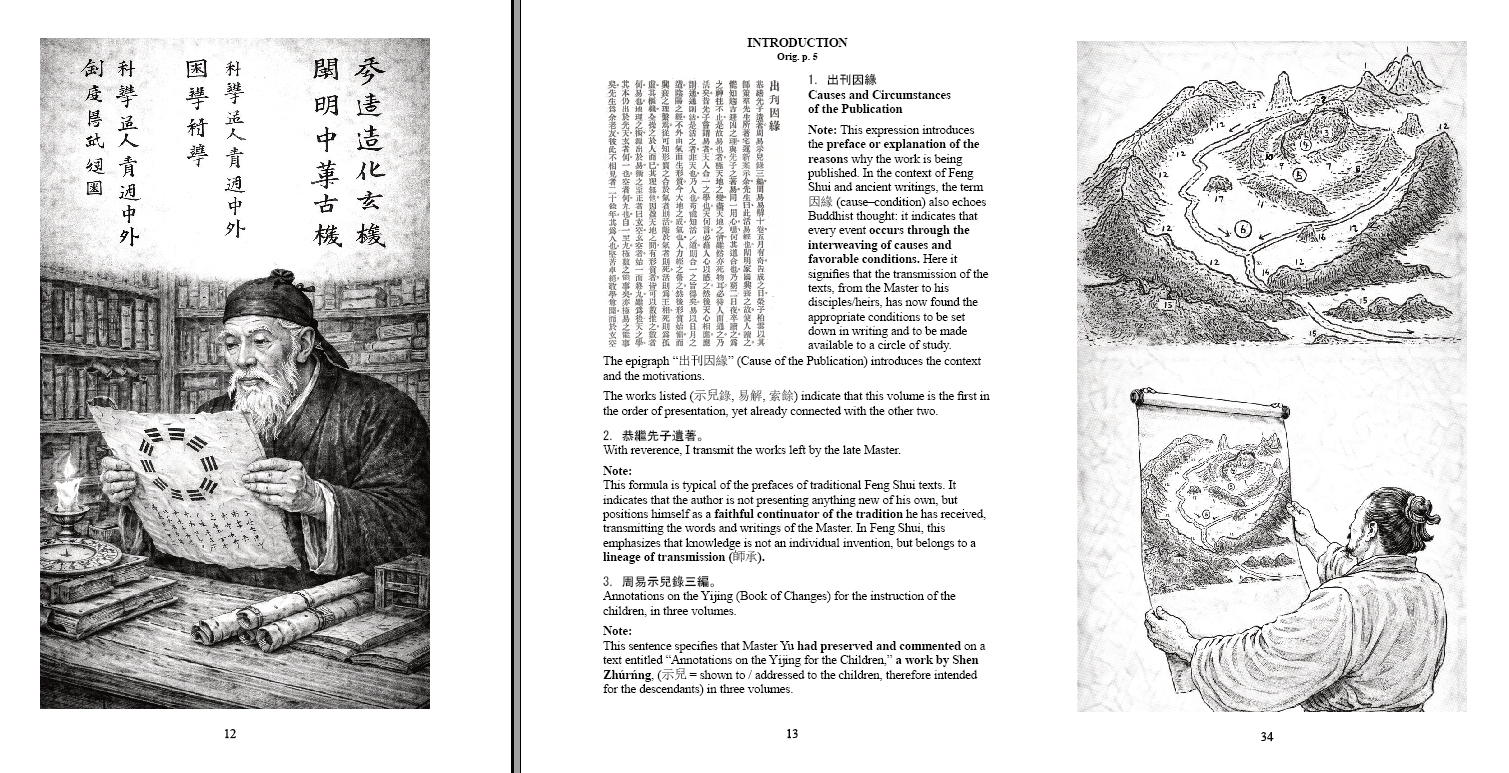
Among these works is an exceptional Chinese Feng Shui treatise published in 1928, a remarkably rich text in which theory, commentary and practical application are brought together in a way that is still rarely accessible to Western readers.
It is not simply an ancient text to be translated: it is a work to be studied, interpreted and gradually entered into.
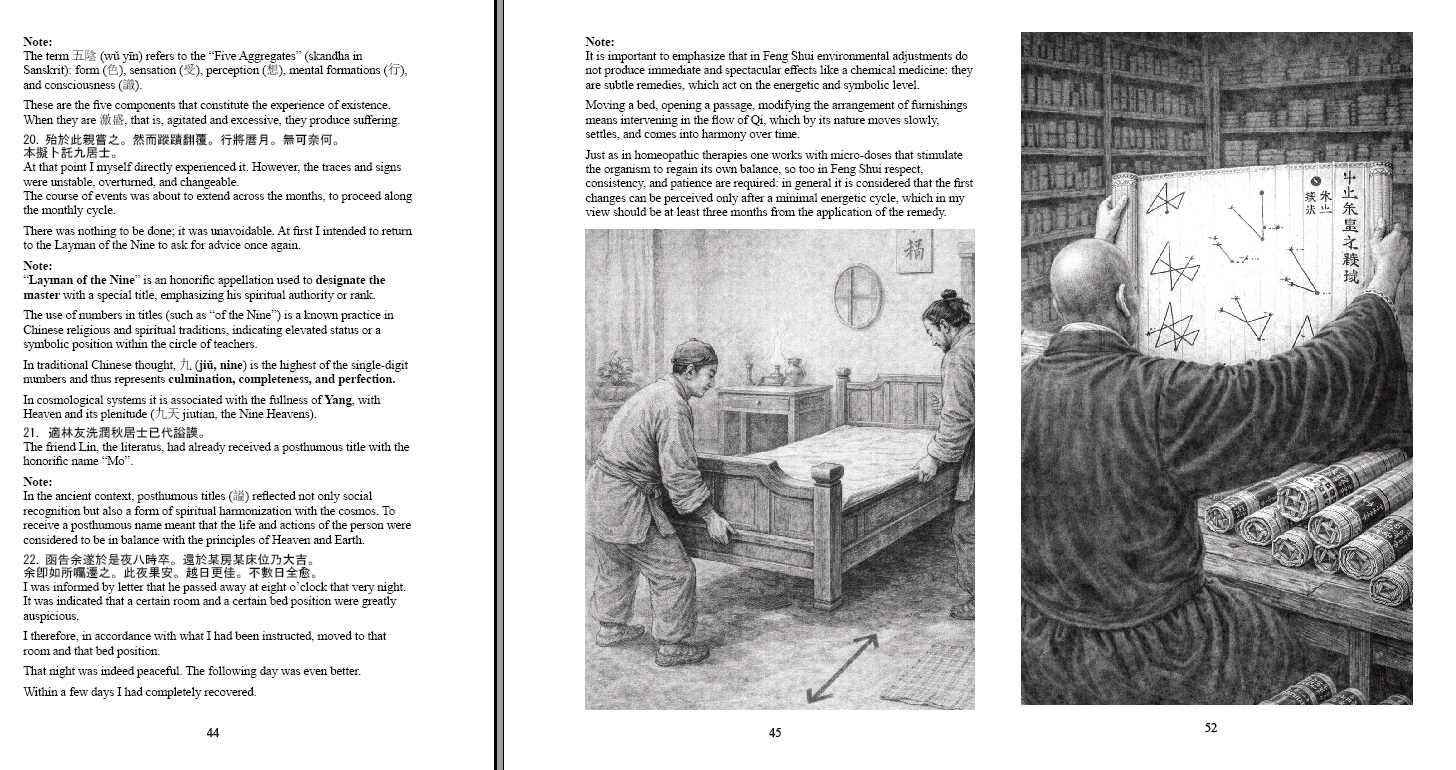
The book explores orientation, magnetic measurement, the observation of Qi, prosperity and decline, the relationship between time and space, the evaluation of dwellings and the practical use of doors and architectural configurations.
Through its explanations and case studies, the reader encounters not only rules, but also the intellectual process through which Classical Feng Shui was understood and applied by traditional practitioners.
For this reason, we consider these volumes valuable not only for students approaching Classical Feng Shui, but also for experienced consultants, teachers, researchers and Masters who wish to return to the historical foundations of the discipline.
They offer an opportunity to compare contemporary methods with the classical sources from which the different traditions and schools of Feng Shui have developed.
Classical Feng Shui knowledge was transmitted for centuries through teachers, scholarly traditions and family lineages, often within restricted cultural environments. Its technical language and symbolic structure were therefore never intended as a simple introductory system.
To rediscover these sources today means recovering the depth, dignity and sophistication of a great tradition of Chinese environmental knowledge.
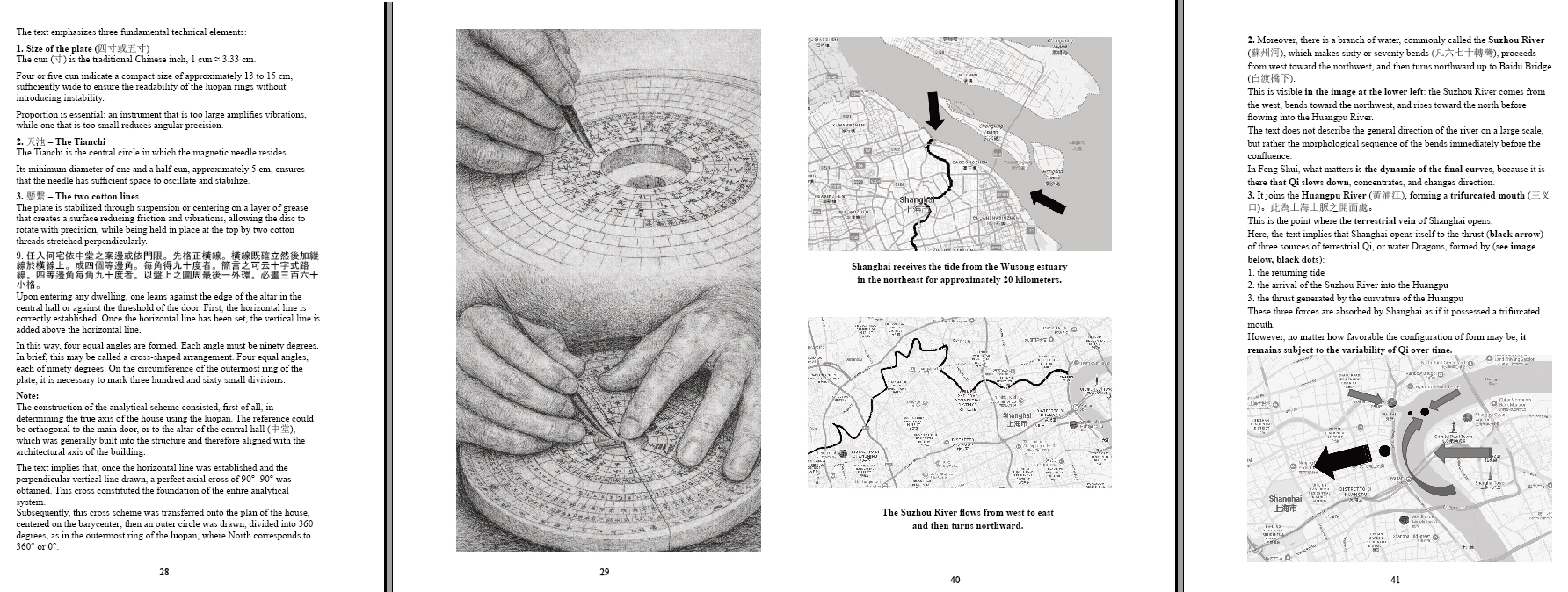
Our publishing project is therefore continuing.
Further translations and studies of classical Feng Shui works are already in preparation.
The intention is to progressively make a wider body of historical material available in English, combining respect for the original texts with extensive explanation and a contemporary professional perspective.
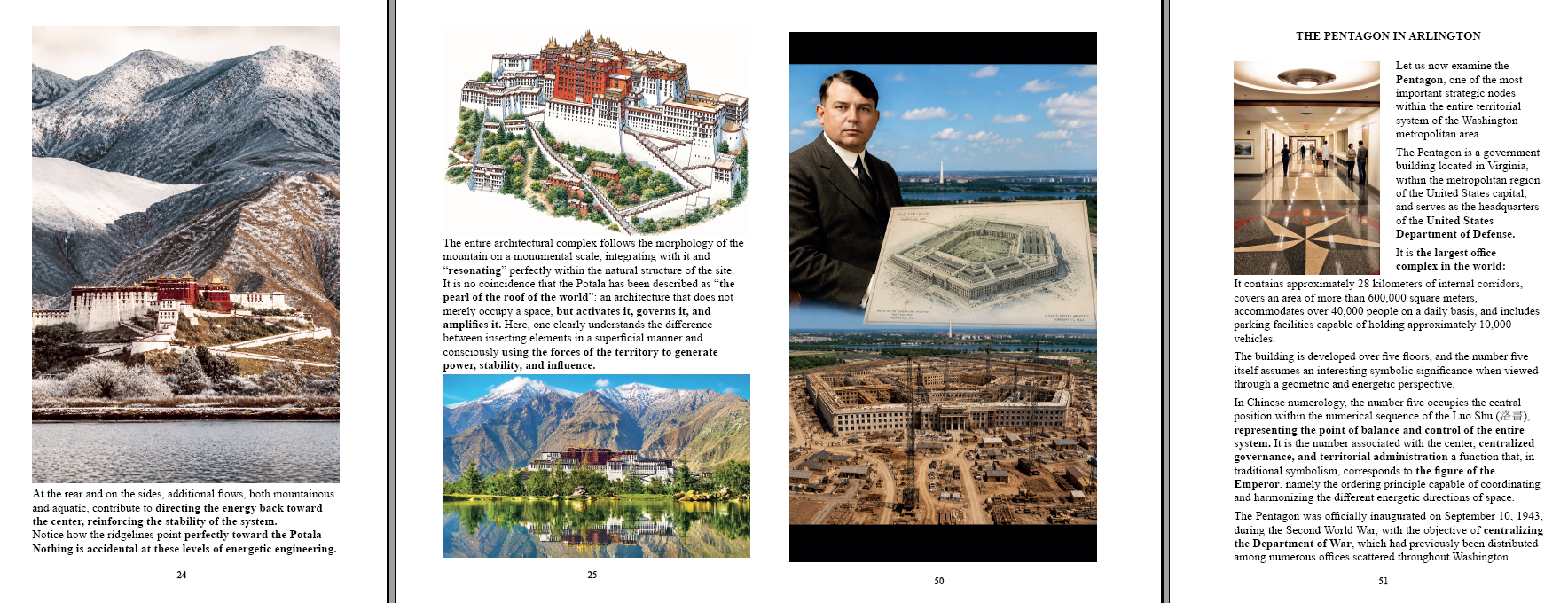
Alongside these translations, the Feng Shui Architecture Academy develops professional books dedicated to architecture, landscape, interior space and the contemporary application of Classical Feng Shui.
The same historical foundations that guide our publishing research also form the basis of the Academy’s educational work.
Our aim is not simply to publish books, but to create a bridge between the classical sources of Feng Shui and the architectural practice of the present.
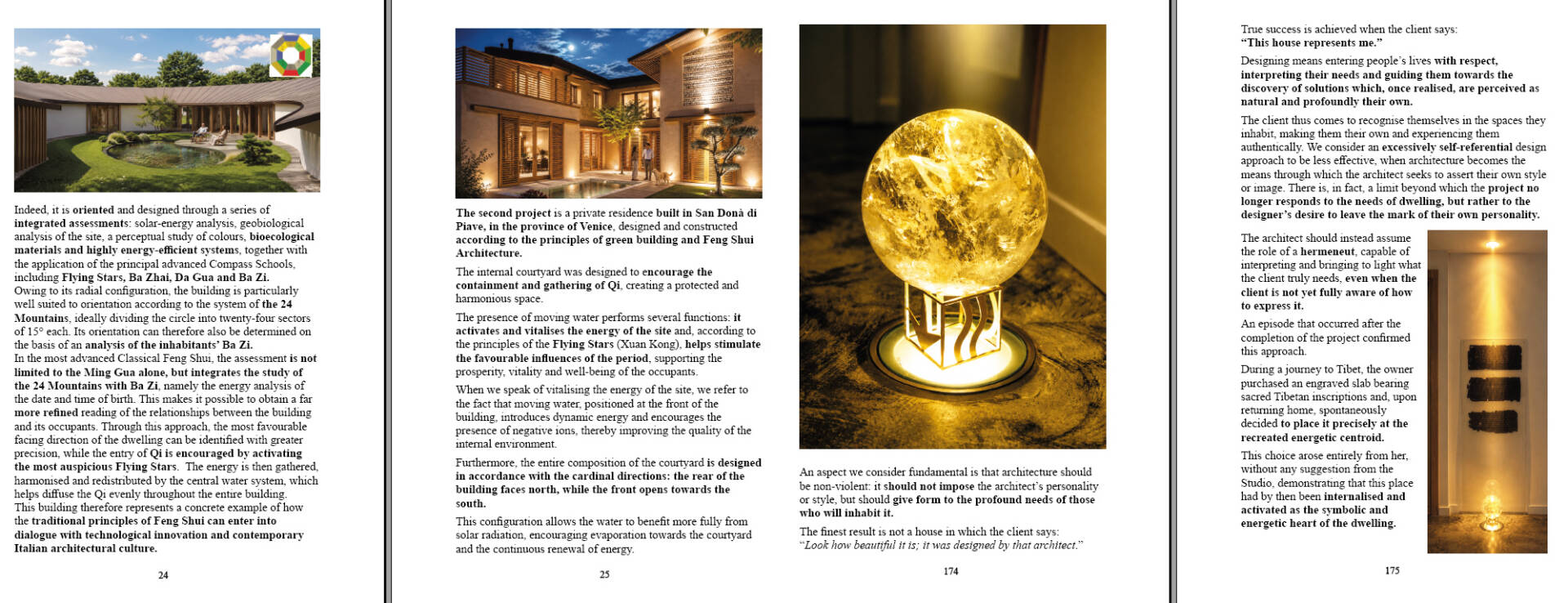
And, above all:
to preserve and transmit the richness of a tradition that still has much to reveal.